Acrylates in Nail Products: What to Avoid and Safe Alternatives
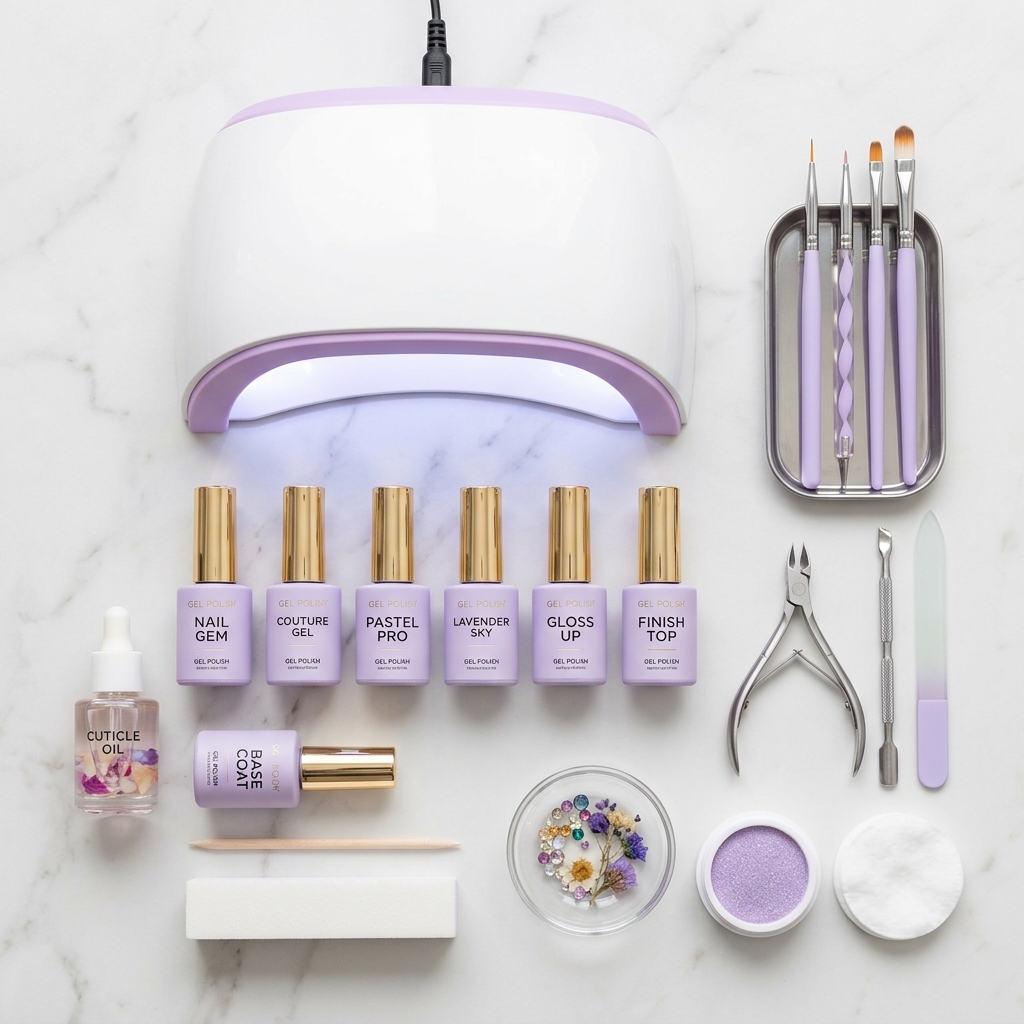
This is the article I wish I'd found before my allergy diagnosis. Gel polish was part of my self-care routine for years, I loved how it looked and how long it lasted. I had no idea that the chemicals in those little pots could trigger a reaction that would change my entire relationship with beauty products. If you've recently been told you have an acrylate allergy, or if you suspect gel nails might be causing your skin issues, I hope this guide helps you understand the risks and find safer alternatives faster than I did.
Nail products represent the single largest source of consumer exposure to acrylates. From traditional nail polish and gel systems to acrylic nail enhancements and lash adhesives, acrylate compounds are deeply embedded in the nail care industry. For anyone with an acrylate sensitivity, navigating the nail product aisle can feel like navigating a minefield. This guide will help you understand where the risks lie and how to find safer alternatives.
Why Nail Products Contain Acrylates
Acrylates are used in nail products for several important functional reasons. They provide adhesion, ensuring that nail polish bonds firmly to the natural nail surface. They create durable, chip-resistant films that maintain their appearance for days or weeks. They enable the curing process in gel and acrylic systems, where UV or LED light triggers a chemical reaction that hardens the product. And they contribute to the flexibility and strength of the finished nail enhancement.
The specific acrylate compounds used vary by product type. Traditional nail polishes typically use smaller amounts of acrylate copolymers as film formers. Gel polish systems rely heavily on acrylate monomers that are polymerised under UV or LED light. Acrylic nail systems (liquid and powder) use a mixture of ethyl methacrylate or methyl methacrylate monomer with a polymer powder. Each of these formulations presents different levels of risk for acrylate-sensitive individuals.
The Riskiest Nail Products
Gel nail systems and acrylic nail enhancements are generally considered the highest-risk nail products for acrylate-sensitive individuals. These products contain high concentrations of acrylate monomers, which are the most allergenic form of acrylates. During the application process, both the nail technician and the client are exposed to uncured monomers through skin contact and inhalation of vapours. Even after curing, some uncured monomer may remain on the nail surface, presenting an ongoing exposure risk.
Common acrylate compounds found in gel and acrylic nail systems include 2-hydroxyethyl methacrylate (HEMA), which is one of the most frequent causes of nail product allergy and is present in most gel polish formulations. Ethyl methacrylate (EMA) is used in many acrylic nail systems as a less-toxic alternative to methyl methacrylate. Hydroxypropyl methacrylate (HPMA) is another common gel system ingredient. Trimethylolpropane trimethacrylate (TMPTMA) serves as a crosslinking agent in some gel formulations.
Traditional nail polishes generally present a lower risk because the acrylate compounds they contain are typically in polymerised (cured) form, which is less allergenic than monomer form. However, some nail polishes still contain acrylate copolymers that may be problematic for highly sensitive individuals. Nail glue and lash adhesive products also contain acrylates and are a common source of sensitisation.
Health Risks Beyond Skin Reactions
While allergic contact dermatitis is the most common health concern associated with acrylate exposure from nail products, there are additional risks worth understanding. Nail technicians, who are exposed to acrylate vapours and skin contact on a daily basis, face elevated risks of respiratory issues including occupational asthma, chronic nail dystrophy (thinning, splitting, or loss of the natural nail), and cumulative sensitisation that can eventually preclude them from working with any acrylate-containing products.
For consumers, repeated gel or acrylic nail applications can weaken the natural nail plate, leading to thinning, peeling, and increased susceptibility to fungal and bacterial nail infections. The curing process, while it polymerises most of the monomer, does not eliminate all risk. Studies have shown that even properly cured gel nails can release small amounts of uncured monomer over time, particularly if the nails are damaged or worn down.
Acrylate-Free Alternatives
Fortunately, the nail care market has expanded significantly in recent years, and there are now genuine acrylate-free options available for most nail product categories. For nail polish, brands like Manucurist (Green collection) and Nail Kind have developed plant-based formulas that avoid acrylate monomers and copolymers. Check our Recommendations page for a verified, up-to-date list.
For false eyelash adhesive, magnetic lash systems, which use magnetic eyeliner rather than adhesive glue, completely eliminate the need for acrylate-based adhesives. Press-on nails from brands like imPRESS use pre-applied adhesive tabs rather than liquid glue, which may be a safer option for some individuals with mild sensitivities.
For those who want to continue using gel or acrylic systems, some steps can reduce (though not eliminate) exposure risk. Ensuring proper curing time and using high-quality LED lamps can help polymerise more of the monomer. Applying a protective barrier cream around the nail area before product application can reduce skin contact. Working in a well-ventilated area and using a mask can reduce inhalation exposure. However, for individuals with confirmed acrylate allergies, the only truly safe approach is to avoid acrylate-containing nail products entirely.
Talking to Your Nail Technician
If you visit nail salons, it is important to communicate your acrylate allergy clearly to your nail technician. Bring a list of specific ingredients you need to avoid, and ask to see the ingredient lists of the products they use. Be aware that many salon products are labelled with trade names rather than full ingredient lists, which can make it difficult to assess safety. Consider bringing your own acrylate-free nail polish or products to the salon, and ask whether the technician can work with your preferred products.
For nail technicians who have developed occupational acrylate allergies, switching to acrylate-free product lines is essential for continuing to work safely. Several professional nail product brands now offer acrylate-free gel alternatives, and the market for these products continues to grow as awareness of acrylate sensitisation increases.