How I Discovered My Acrylate Allergy: My Personal Story
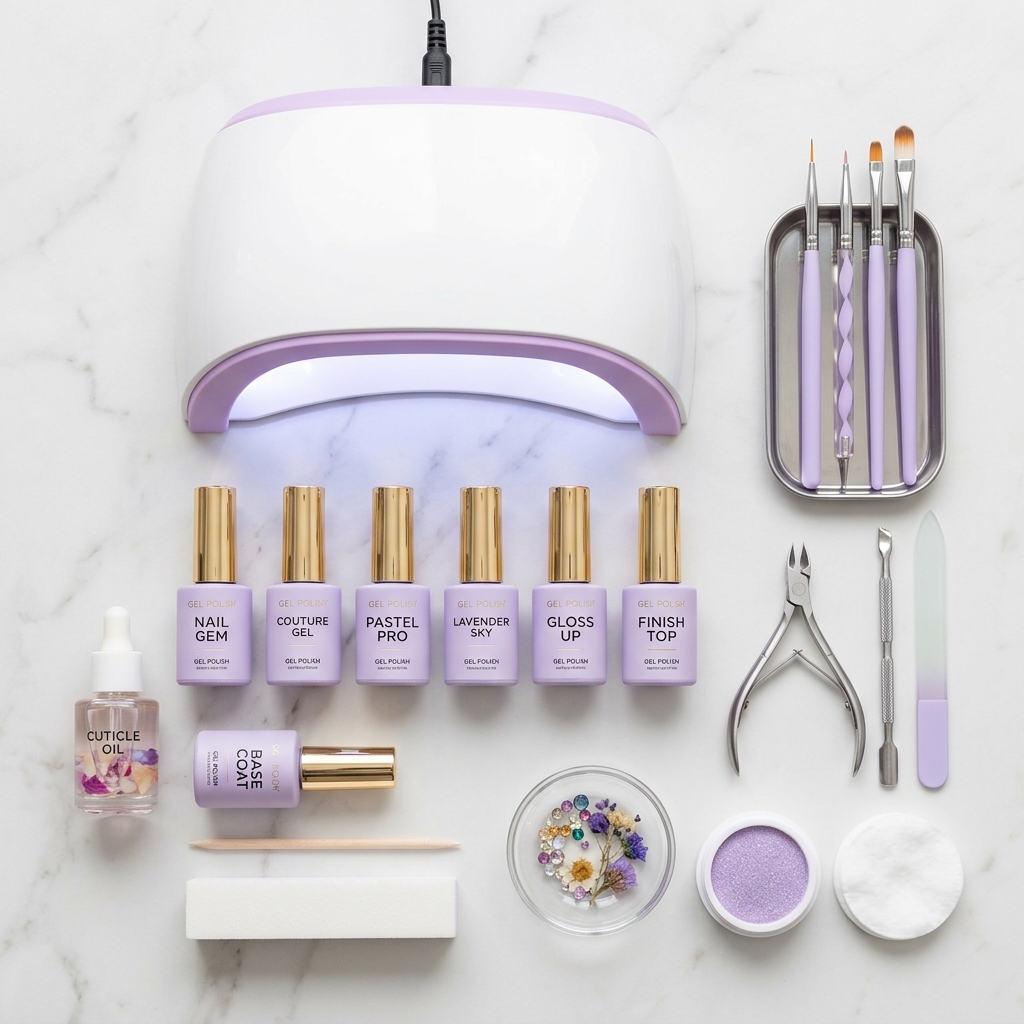
About two years ago, I started noticing some weird patterns with my skin. I'd been doing my own gel nails for a while, nothing excessive, I just liked doing them. But then a small, itchy patch appeared on my wrist. I didn't think much of it at first, assuming it was just dry skin from the UV lamp or a random reaction to something else.
Over the next few months, things got more confusing. I started seeing these stubborn little bumps all over my face, especially around the bottom of my cheeks. They weren't particularly itchy, just persistent. However, whenever I had a "flare-up," it was impossible to ignore, my eyelids would swell and get incredibly itchy. It was a strange situation because I wasn't using any nail products on my face, yet my face was clearly reacting.
The breaking point was the very last time I did my nails. Within a couple of hours of finishing the set, I felt dizzy and my skin started crawling. My wrists and face were intensely itchy, and even my breathing felt slightly off. It was a scary experience, and I ended up soaking them off that same evening. I haven't touched gel polish since.
Why the Symptoms Didn't Stop After I Quit Gel Nails
Initially, I was convinced it was just a HEMA allergy, which is common with gel nails. I figured that by stopping the nails, my skin would clear up. But the little bumps on my jawline stayed, and that spot on my wrist kept flaring up at random times. It didn't make sense if the source was gone.
That's when I started looking at the ingredients in my skincare. At the time, I was using the Ongredients Skin Barrier Calming Lotion, thinking it would help calm down the irritation. But surprise, surprise, it was actually making everything worse because it contains Carbomer. I didn't know Carbomer was a polyacrylic acid, a member of the same acrylate polymer family that I had become sensitised to. My "safe" moisturizer was actually keeping my reaction alive. Once I removed everything containing acrylate derivatives, those stubborn bumps finally cleared up within a few days.
This is what makes acrylate allergies so frustrating to identify. Acrylates don't just appear in nail products. They're used as thickeners (Carbomer), styling agents (acrylates copolymer), film formers, and adhesives across hundreds of product categories including skincare, haircare, sunscreens, body lotions, and even medical products like bandages. The sensitisation that begins with gel nails can subsequently cause you to react to any acrylate-containing product that touches your skin.
Connecting the Dots Myself
I didn't actually get a formal dermatologist patch test to figure this out. Instead, it was weeks of painstaking trial and error, tracking every flare-up in a journal, and cross-checking every bottle in my bathroom. Once I realized that eliminating Carbomer and acrylate polymers made my skin clear up almost immediately, everything clicked.
If you suspect you might be reacting to acrylates, you don't necessarily have to wait months for a specialist appointment to start taking action. Paying close attention to how your skin responds after using gel nails or acrylate-thickened skincare, and systematically eliminating potential triggers, can give you clear answers on your own.
The Fungal Acne Complication
To make matters more complicated, I was also dealing with fungal acne, which flared up after I started birth control for endometriosis around the same time. Hormonal changes can alter the skin's sebum production and pH, creating a more favorable environment for Malassezia yeast. So I was simultaneously trying to heal an acrylate sensitisation and manage fungal acne, two conditions that require very different approaches to product selection.
Finding products that didn't trigger my acrylate allergy and didn't feed the fungal acne was a nightmare. Most "fungal acne safe" products I found still contained Carbomer. Many acrylate-free moisturisers were loaded with fatty esters that feed Malassezia. I spent months cross-referencing three different resources simultaneously, and I still regularly hit dead ends.
Signs You Might Have an Acrylate Allergy
Looking back, there were signs I should have caught sooner. If any of these resonate with you, it might be worth investigating further:
- Persistent facial bumps that don't respond to acne treatments, especially around the jaw, cheeks, and forehead
- Eyelid eczema or swelling (the eyelid skin is very thin and prone to contact dermatitis)
- Itchy or rashy patches on the wrists or hands after using nail products
- A skin condition that keeps returning despite changing your diet or doing everything "right"
- Reactions that seem delayed by 24-72 hours after product use
- Reactions to products you've used without issue before (sensitisation can develop after repeated exposure)
I've also got a lavender allergy to deal with, which just adds another layer to the search for safe products. If you're struggling to figure out why your skin is acting up, I hope this analyzer makes your journey a bit easier than mine was. It's frustrating to deal with, but identifying the triggers makes all the difference. You can learn how the analyzer works here, and if you want to check your current products, paste your ingredient list on the homepage to get started.