Building a Safe Skincare Routine for Acrylate-Allergic Skin
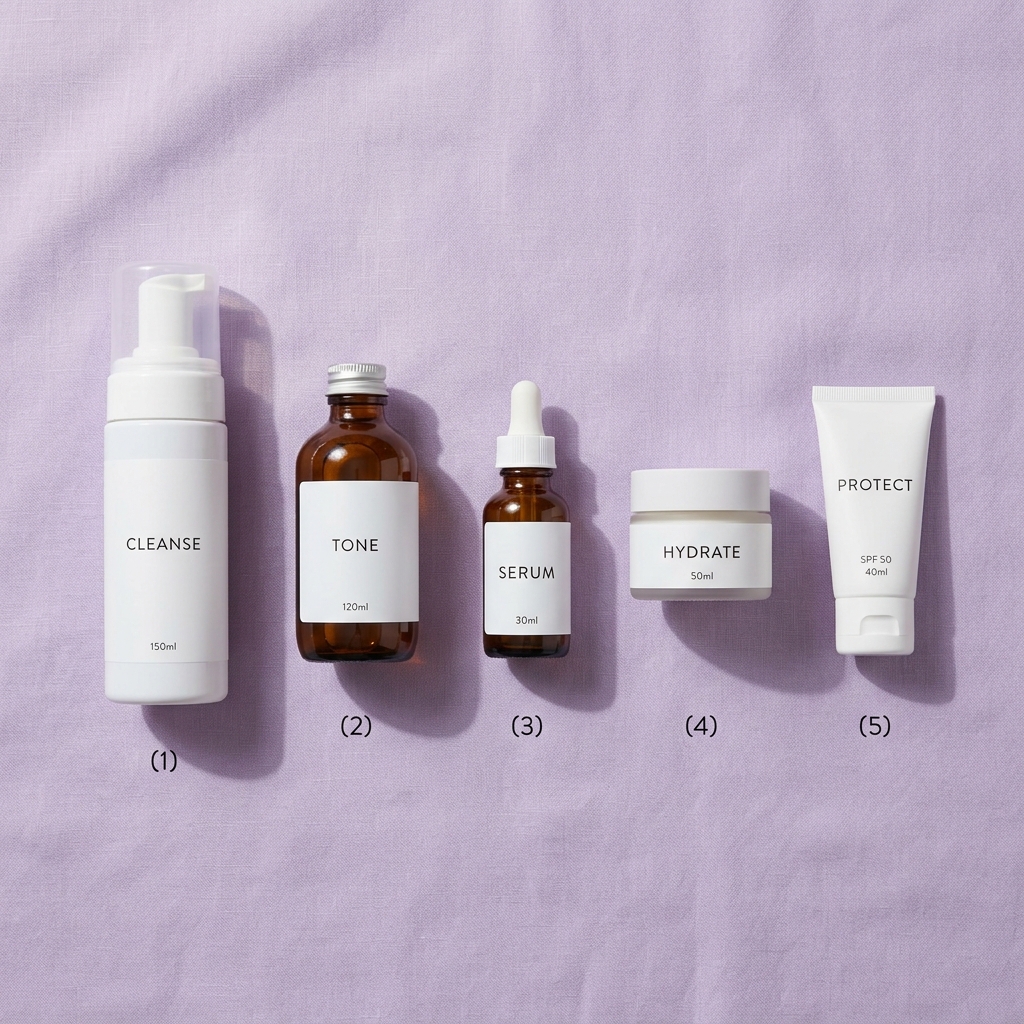
Building a skincare routine when you have acrylate sensitivities requires more thought and care than a standard routine, but it is entirely achievable once you understand the principles. The key is knowing which ingredients to seek out, which to avoid, and how to introduce new products safely. This guide provides practical, step-by-step routines for both morning and evening that you can adapt to your specific skin type and concerns.
General Principles
Before diving into specific routines, there are several overarching principles that apply regardless of your skin type or specific sensitivities. First, simplify your routine. Fewer products mean fewer potential exposure points to allergens. A basic routine of cleanser, moisturiser, and sunscreen is far safer than a multi-step regimen with serums, essences, toners, and masks. You can always add products back once you have identified a stable, safe base routine.
Second, always check new products with an ingredient analyser before purchasing. Even products marketed as "hypoallergenic," "sensitive," or "dermatologist-tested" may contain acrylates, as these marketing terms are not regulated in most countries. Third, patch test every new product, even if the ingredient list checks out as safe. Individual reactions can vary, and a product that is safe on paper may still cause problems for your specific skin.
Fourth, introduce only one new product at a time, waiting at least one to two weeks before adding another. This makes it possible to identify which product is responsible if you experience a reaction. Finally, keep a simple skincare journal noting which products you use and any reactions you observe. This record becomes increasingly valuable over time as you build a personal database of safe and unsafe products.
Morning Routine
The morning routine should focus on protection and preparation. Start with a gentle cleanser if you have oily skin, or simply rinse with water if your skin is normal to dry. Over-cleansing in the morning can strip the skin of its natural protective barrier. For cleansers, look for simple, low-ingredient formulas without acrylate-based thickeners, check our Recommendations page for verified options.
Next, apply a lightweight moisturiser. For oily or combination skin, gel-based moisturisers are a good choice. For dry skin, cream-based moisturisers provide more hydration. In either case, check the ingredient list for acrylates (such as carbomers and acrylate copolymers). Nivea Creme is a reliable, widely available option with a simple ingredient list.
Sunscreen is the final and most important morning step. Look for mineral sunscreens (zinc oxide or titanium dioxide-based) or lightweight chemical SPFs with simple ingredient lists, and always run the label through the analyser first, as even many "mineral" sunscreens use acrylate-based thickeners. Two options I've personally verified are the OMI Sun Bears Active Protect Milk SPF 50+ and the Nivea Sun UV Face Fluid, both of which are carbomer and octocrylene free. Check our Recommendations page for links.
Evening Routine
The evening routine should focus on cleansing and repair. If you wear makeup or sunscreen during the day, consider double cleansing: first with an oil-based cleanser to remove makeup and sunscreen, then with a water-based cleanser to remove any remaining residue. For the oil-based cleanse, choose a simple plant oil or cleansing balm without known acrylates. Pure rosehip oil, pure argan oil, and squalane are all great acrylate-free options.
After cleansing, apply any treatment products your dermatologist has recommended. These might include prescription treatments for your specific skin condition. If you are using over-the-counter treatments, introduce them one at a time and monitor for reactions. Follow with your moisturiser, which can be the same one used in the morning or a richer formula for nighttime repair.
Special Considerations for Different Skin Types
For oily skin, the temptation to use harsh, stripping products is strong but counterproductive. Stripping the skin of its natural oils can trigger increased sebum production and compromise the skin barrier, making it more susceptible to irritation and contact dermatitis. Instead, use gentle, water-based cleansers and lightweight gel moisturisers. Products containing niacinamide can help regulate oil production without causing irritation.
For dry skin, focus on hydration and barrier repair. Look for moisturisers containing ceramides, hyaluronic acid, or glycerin as humectants. Avoid products with high alcohol content or strong surfactants. Using simple oils like squalane or MCT oil (caprylic/capric triglyceride) can also add safe, acrylate-free hydration.
For combination skin, you may need different products for different areas of your face. A common approach is to use a gentle, non-foaming cleanser on the entire face, a lighter moisturiser on the T-zone, and a slightly richer moisturiser on the cheeks. Patch testing becomes especially important for combination skin, as reactions may manifest differently in different zones.
Products and Ingredients to Approach with Caution
Even within safe-looking product categories, certain ingredients warrant extra caution. Sheet masks, while popular, are soaked in highly concentrated serums that may contain problematic ingredients like acrylate thickeners. Haircare products that rinse down onto your face and body in the shower can be an unexpected source of exposure. Leave-in hair treatments, dry shampoos, and hair sprays are particular concerns as they remain on the hair and can transfer to the skin throughout the day.
Body washes, lotions, and deodorants should also be checked if you experience body rashes. The chest and upper back are common sites for contact dermatitis, and body products are a frequent source of triggering ingredients. When checking body products, pay particular attention to the concentration of fragrance ingredients, which often contain acrylate fixatives.